
Auto Insights That Every Driver Should Know
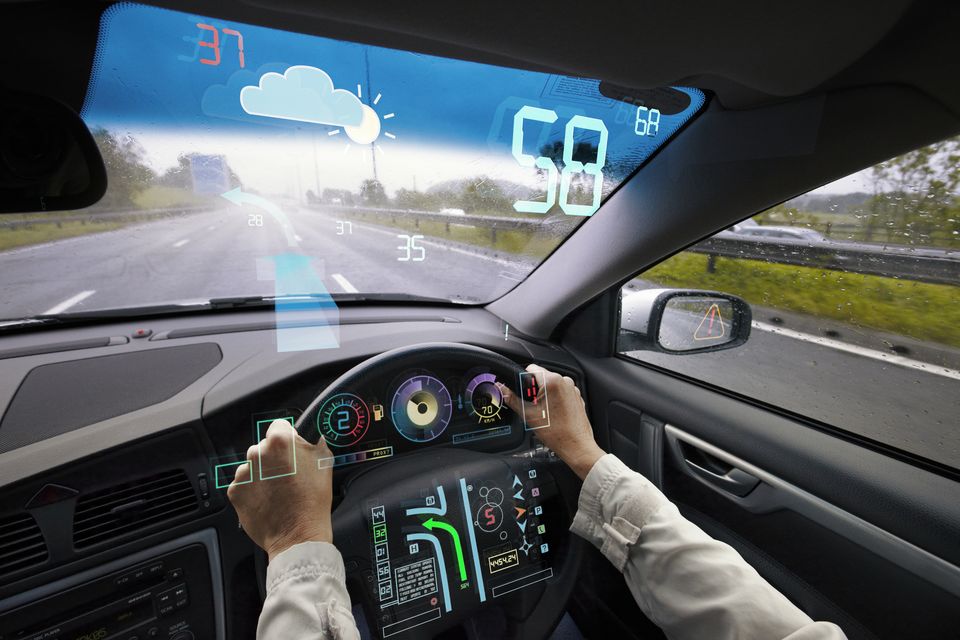
Navigating the road is more than steering a wheel or pressing the accelerator. It requires a balance of awareness, preparation, and understanding of how vehicles behave under different conditions. Every driver, whether seasoned or new, benefits from collecting knowledge that sharpens their judgment and keeps them safer on the road. By paying attention to auto driving insights, you can enhance not only your driving performance but also your overall relationship with your vehicle.
Understanding Vehicle Behavior
Cars are complex machines, yet many drivers never go beyond the basics of operation. Developing smart car knowledge allows you to predict how your vehicle will respond in specific scenarios. For instance, understanding the weight distribution of your car affects how you approach corners. Recognizing the difference between front-wheel drive and rear-wheel drive can influence how you handle slippery conditions. Even tire pressure plays a crucial role, affecting braking distance, fuel economy, and stability.
A well-informed driver does not merely react but anticipates. Observing subtle changes in the way your car sounds or feels can help you address small issues before they become serious mechanical failures.
Anticipating Road Conditions
Another dimension of driving mastery is awareness of external conditions. Rain, fog, or icy pavement changes the dynamics of motion significantly. Many accidents occur because drivers underestimate how these conditions reduce visibility and tire traction. A thoughtful approach begins with essential auto tips like reducing speed, keeping a safe following distance, and avoiding sudden maneuvers.
Road surfaces can hide hazards as well. A shallow puddle might look harmless, yet hydroplaning can occur at speeds as low as 50 kilometers per hour. Likewise, a patch of gravel can shorten stopping ability dramatically. Treat every change in road texture or weather as a potential signal to adapt your style.
Maintenance as a Safety Strategy
Maintenance is not an inconvenience but a shield against breakdowns and risks. Something as simple as neglecting oil changes can shorten engine life. Likewise, forgetting to replace worn-out brake pads places you and others in unnecessary danger. These are the kinds of driver guide ideas that seem simple yet carry profound consequences.
Seasonal maintenance also matters. Cold weather strains the battery and thickens fluids, while hot climates can cause overheating and tire blowouts. Knowing how to prepare your car for changing seasons is as important as learning to control it while driving.
The Role of Technology
Modern cars are equipped with advanced systems that go far beyond simple transportation. Anti-lock braking systems, traction control, and electronic stability programs are not just conveniences; they are safeguards designed to assist drivers in emergencies. Those who invest time in learning how these systems operate gain a significant advantage.
A prime example lies in adaptive cruise control and lane-keeping assistance. These features reduce fatigue during long drives, yet they should never replace active attention. Technology works best when paired with human vigilance. That balance is part of auto driving insights that every responsible driver should master.
Building Safer Habits
Driving habits shape outcomes. Simple practices like checking mirrors frequently, signaling turns early, and positioning hands correctly on the wheel can prevent accidents. Yet, distractions remain one of the biggest threats. The temptation to check a phone or adjust the radio, even for a second, can cause catastrophic results. Cultivating discipline behind the wheel is as vital as maintaining the car itself.
Equally, understanding your own limits is an underrated skill. Fatigue impairs judgment just as much as alcohol, and driving while drowsy can be fatal. Recognizing when to rest is a subtle but powerful example of smart car knowledge applied in real life.
Thinking Beyond the Commute
A vehicle is not only a tool for commuting; it becomes part of a driver’s lifestyle. Respect for the machine translates into smoother journeys, lower costs, and greater confidence. Practicing essential auto tips such as planning routes, checking traffic updates, and keeping emergency supplies reinforces resilience against unexpected setbacks.
Learning defensive driving techniques further enriches your skills. Being prepared for unpredictable actions from other drivers ensures that you remain in control regardless of their errors. That layer of foresight elevates your driving beyond the ordinary.
Driving mastery emerges from knowledge, practice, and continuous improvement. By studying auto driving insights, expanding smart car knowledge, applying essential auto tips, and exploring thoughtful driver guide ideas, every driver can transform routine journeys into safer, smoother experiences. The road will always hold uncertainties, yet preparation and awareness create confidence. A car is more than a means of travel; it is a responsibility. Treat it with respect, and it will reward you with reliability and safety for years to come.


