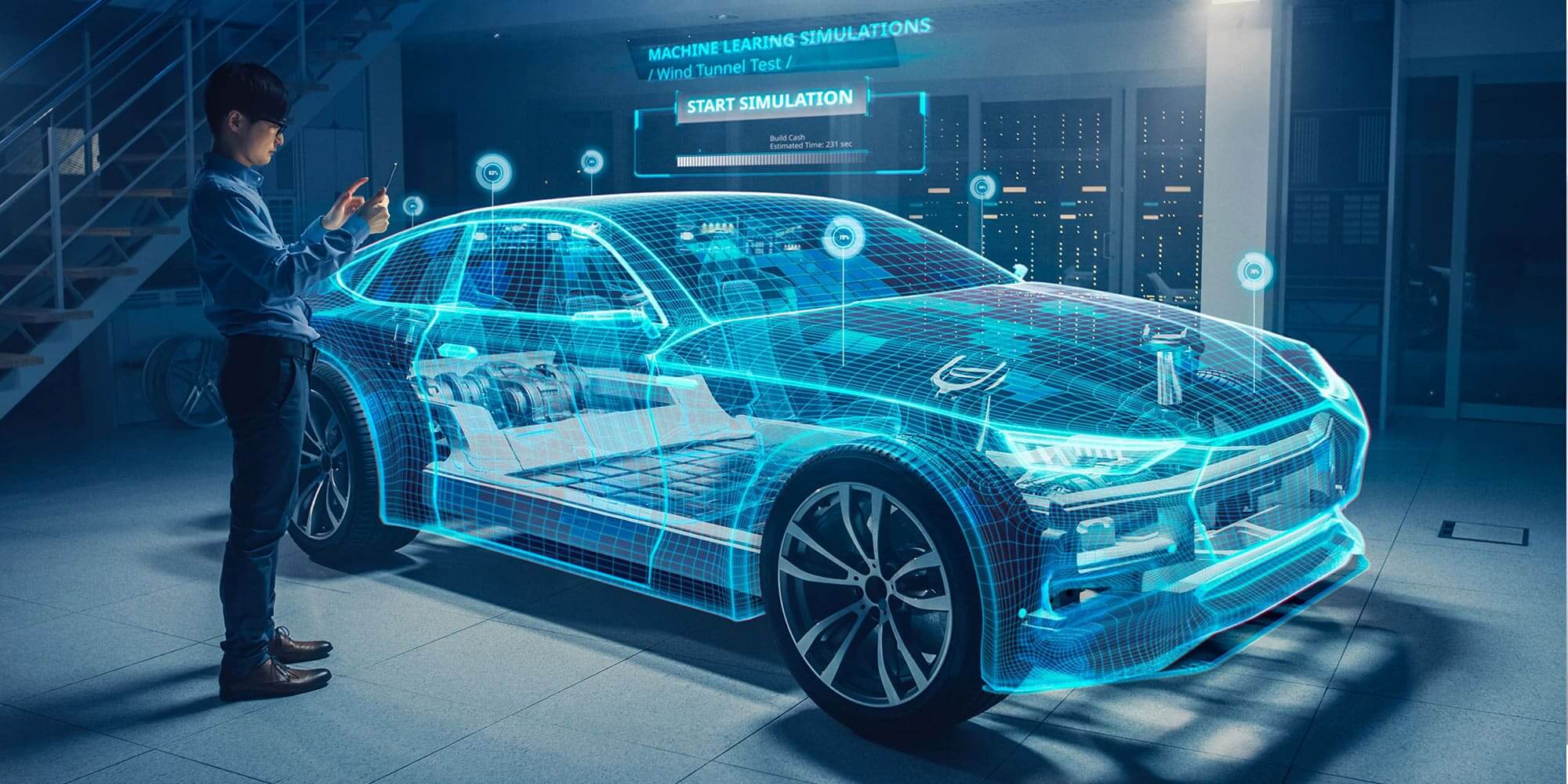
How Vehicle Hub Makes Driving Smarter

The modern automobile is no longer just a machine with wheels and an engine—it’s evolving into a sophisticated hub of intelligence, convenience, and safety. Today, driving is about more than steering and acceleration; it’s about harnessing technology to make every journey smoother and safer. The rise of connected car technology has transformed vehicles into mobile command centers, offering drivers a wealth of data and control at their fingertips. This shift is redefining what it means to drive smart.
A New Era of Connection
At the heart of the transformation lies connected car technology. It seamlessly links your vehicle to networks, apps, and devices, giving drivers real-time access to traffic updates, predictive navigation, and vehicle diagnostics. Gone are the days of relying solely on road signs or paper maps. With connectivity, you know the state of your engine before problems escalate, and you’re alerted to hazards or congestion long before you encounter them.
This kind of foresight does more than save time; it empowers drivers to make informed choices. Think of it as having a digital co-pilot who anticipates needs, whether it’s suggesting a nearby fuel station or rerouting to avoid a traffic jam.
Empowering Drivers with Smart Assistance
The driving experience has taken a leap forward with driving assistant tools. These tools aren’t just luxuries; they’re guardians of safety and efficiency. Features like adaptive cruise control, automatic emergency braking, and lane-keeping assist reduce stress on long drives and add a buffer of security in unpredictable conditions.
Beyond safety, these tools simplify the act of driving. Parking assist systems, for instance, remove the guesswork from parallel parking in tight city streets. Voice-activated commands allow drivers to control infotainment systems without ever taking their eyes off the road. Each of these innovations works to minimize distraction, enabling a more harmonious connection between driver and machine.
Unlocking Vehicle Intelligence
The integration of vehicle smart features takes personalization to another level. Cars now remember driver preferences, from seat positions to climate control settings. Imagine stepping into your vehicle, and it instinctively adjusts to your comfort zone. That kind of intuitive response transforms your car into a truly adaptive companion.
Smart features also extend to energy management. Hybrid and electric vehicles, for example, use regenerative braking systems that not only improve efficiency but also prolong battery life. This intelligent optimization ensures that every drop of fuel or every charge of electricity is maximized.
The beauty of these features lies in their ability to blend seamlessly into daily life. They don’t demand attention; instead, they anticipate needs and operate quietly in the background, enhancing the driving experience without intrusion.
The Power of Integration
None of these advancements would be as effective without car tech integration. Integration ensures that all the sophisticated systems inside a vehicle work together harmoniously. It connects infotainment, navigation, safety, and performance monitoring into one cohesive ecosystem.
Picture this: your navigation system knows your calendar schedule, aligns with real-time traffic updates, and communicates with your car’s fuel gauge. If you’re low on gas, it can automatically guide you to the nearest station along your route without requiring manual input. This level of orchestration epitomizes the essence of smart driving.
Even entertainment systems benefit from integration. Drivers and passengers can sync devices, stream media, and stay connected on the go—all while the system prioritizes safety by restricting distractions. It’s not just technology working; it’s technology working intelligently together.
Building Confidence Behind the Wheel
One of the most overlooked benefits of a vehicle hub is the confidence it instills in drivers. The constant support of driving assistant tools and the adaptability of vehicle smart features allow motorists to focus less on potential errors and more on the joy of driving. When technology removes uncertainty, drivers become more composed, and journeys become less stressful.
This confidence extends to unfamiliar environments. With integrated sensors, predictive alerts, and connected systems, even navigating a bustling city at night feels manageable. The car becomes an ally, guiding the driver safely and efficiently.
A Smarter Road Ahead
As technology continues to evolve, the vehicle hub will play an even more pivotal role in redefining mobility. Innovations in connected car technology will make vehicles not only more autonomous but also more attuned to the world around them. Roads filled with cars that communicate with one another will lead to fewer accidents, smoother traffic flow, and reduced emissions.
Meanwhile, future vehicle smart features promise to push personalization and safety to new heights. Cars may one day predict your mood and adjust the driving environment accordingly, creating journeys that are not just efficient but emotionally uplifting.
The vehicle hub has become the beating heart of modern driving. Through the seamless synergy of connected car technology, driving assistant tools, vehicle smart features, and robust car tech integration, every trip becomes a blend of safety, intelligence, and comfort. Driving is no longer just about reaching a destination—it’s about experiencing the road in a way that feels effortless, informed, and deeply connected. The smarter the hub, the more empowering the drive.